
How City Cleaning Improves Neighborhoods
Keeping our neighborhoods clean is important for everyone’s health and happiness. One way cities manage cleanliness is through organized street cleaning. This involves scheduled plans that help clear debris and ensure safe roads. These efforts not only keep the streets tidy but also play a role in boosting community safety. In this article, we explore how effective planning contributes to both cleanliness and security.

The Importance of Regular Clean-Ups
Cities schedule routine clean-ups as part of maintaining public spaces. These schedules are essential because they prevent buildup of waste and debris on streets. When garbage accumulates, it can lead to blocked drains, which cause flooding during rain. Moreover, regular clean-ups can deter pests from gathering in urban areas, contributing to a healthier environment.
How Street Sweeping Affects Traffic Safety
Street sweeping plays a vital role in traffic safety. When roads are free from debris, drivers have better visibility and control over their vehicles. Clean streets reduce the chances of accidents caused by obstacles or slippery surfaces. By keeping streets clear, sweeping helps maintain smooth traffic flow and minimizes hazards that could harm drivers and pedestrians alike.
Community Benefits of Well-Planned Street Sweeping
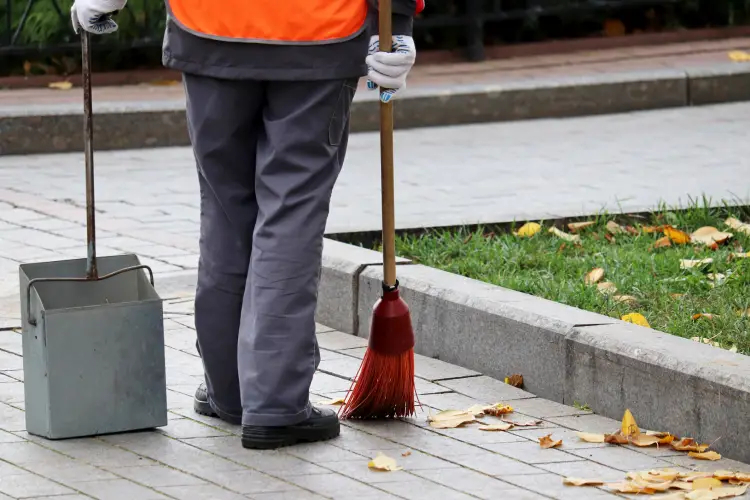
A well-implemented street sweeping program benefits communities in several ways. Firstly, it enhances the appearance of neighborhoods, making them more inviting to residents and visitors. Secondly, it reduces pollution levels by removing harmful particles that can contribute to air quality issues. Finally, it improves property values, as cleaner environments are generally seen as more desirable places to live.
Scheduling and Communication With Residents
Effective communication about street cleaning schedules is crucial for success. Cities often use local media, social networks, and direct notifications to inform residents of upcoming cleanings. This ensures that people move their vehicles and other obstacles in time for efficient street maintenance. Engaging with the community this way fosters cooperation and enhances the overall impact of cleaning programs.
Challenges Faced by City Planners
City planners encounter several challenges when organizing street cleaning schedules. They must consider factors like weather conditions, budget constraints, and vehicle availability. Furthermore, coordinating with multiple departments requires careful planning to avoid disruptions. Addressing these challenges effectively ensures that cleaning efforts meet community needs without causing inconvenience.
Best Practices for Effective Street Maintenance
- Create flexible schedules based on weather patterns
- Use technology to track progress and adjust plans as needed
- Involve community feedback for continuous improvement
- Ensure staff is properly trained for efficient operations
Cost Considerations for Municipalities
Managing costs is a significant concern for municipalities implementing street cleaning programs. Expenses include equipment maintenance, labor, and fuel. However, investing in high-quality tools can offer long-term savings by reducing repair costs. Additionally, opting for environmentally friendly practices may initially cost more but can result in financial benefits through government incentives and improved public perception.
Your Partners in Urban Cleanliness
If you’re looking for expert solutions in maintaining city cleanliness, BlueRidge Custom Sweeping LLC has you covered. We specialize in comprehensive services tailored to your needs. Our team operates out of Winchester, OH, where we’re committed to enhancing community safety and satisfaction. Reach out today at (513) 582-3784 to learn more about how we can assist your city.